The artificial intelligence (AI) boom is driving copper prices to near-record highs, causing the copper content of Japan’s 10-yen coin to exceed its face value.
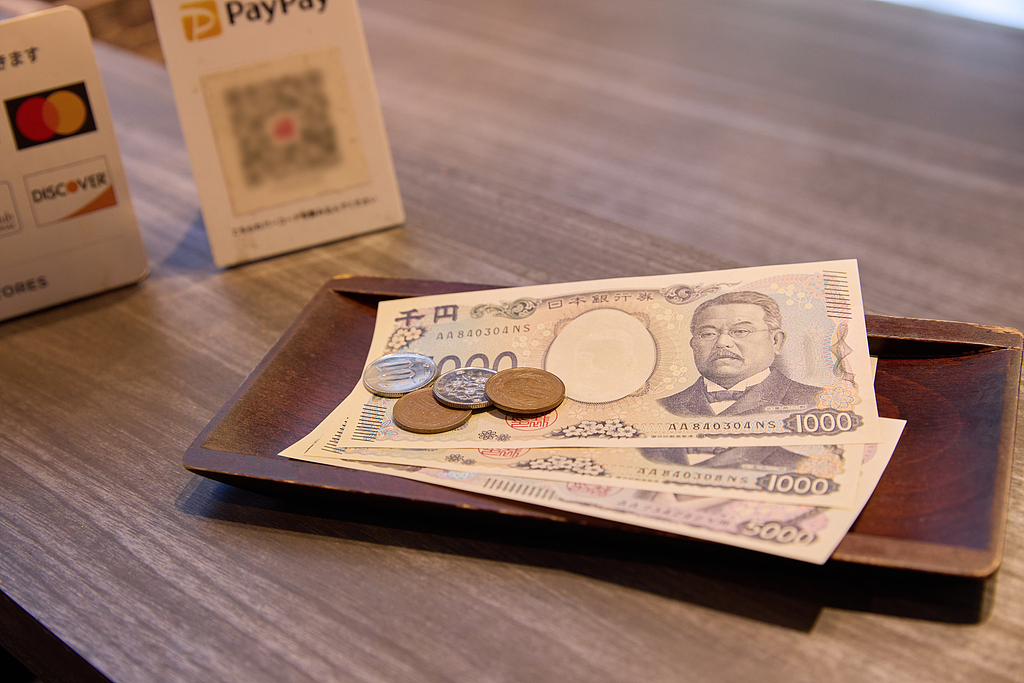
The 10-yen coin is composed of 95% copper, 4% zinc, and 1% tin. Based on Japan’s benchmark copper price, the metal value alone amounts to approximately 10.4 yen.
This situation arises from the increasing global demand for copper, which has significantly driven up its price. AI data centers require substantial amounts of copper for power lines, cooling systems, and cabling to connect server racks, with a single large-scale data center potentially consuming thousands of tons of copper.
Builders are now racing to construct hundreds of such facilities. Microsoft, Amazon, Google, and Meta plan to invest hundreds of billions of dollars in AI infrastructure within this year alone.
The surging demand has pushed global copper prices up by approximately 35% over the past year, with futures prices approaching historical highs.
Regarding the current supply tightness, Goldman Sachs on Wall Street anticipates further escalation. The investment bank projects that by 2030, the AI sector alone will add one million tons of annual copper demand. Citi shares a similar view, expecting copper prices to continue climbing as new mine supply struggles to keep pace with demand.
Japan relies entirely on imported copper
Additionally, the absence of domestic copper production in Japan is a factor contributing to the coin’s metal value exceeding its face value. All copper in the country is imported from sources such as Chile and Peru.
Although Japan is one of the world’s largest copper smelting nations, all copper ore must be shipped from overseas. This situation implies that domestic prices fluctuate with every global market movement.
Japan’s domestic benchmark copper price, set by JX Metals Corporation, surged by 56% in the year through May.
The supply shortage has prompted an unprecedented collaborative move by three Japanese giants: JX, Mitsubishi Materials, and Marubeni have jointly procured copper this year. This initiative responds to the demand driven by the AI boom and the intensifying competition from overseas smelters in procurement.
Some reports even joked, “For a country that is entirely dependent on copper imports, when copper prices surge by 56% within a single year, even coins begin to look like a commodity.”