Kevin Warsh, the new chairman of the Federal Reserve, has sent a clear signal that he will carry out sweeping reforms and is not as “dovish” as the market had expected. This is undoubtedly terrible news for large technology companies.
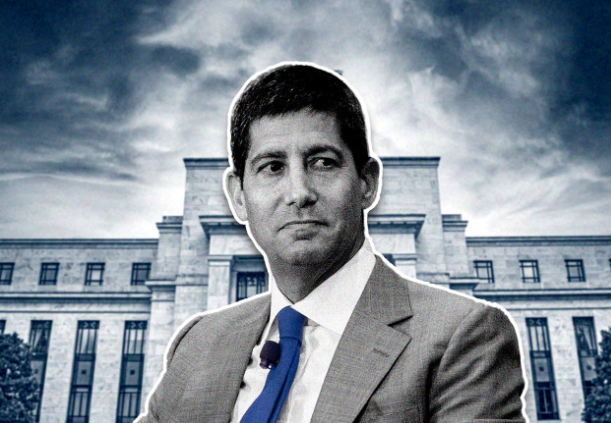
The new chairman, known for his terse style, has refrained from publishing his own dot plot or providing any forward guidance, while slashing the length of the FOMC statement to less than one-third of its previous size. At the same time, he has emphasized that the commitment to achieving the 2% inflation target is firm, consistent, and unequivocal. The Fed has failed to meet its inflation target for five years, and he now intends to address this.
Researchers at Kobeissi stated: “The AI investment boom is reshaping the way capital is allocated across the entire financial system.”
Google, Amazon, Microsoft, and Meta plan to collectively allocate $725 billion for capital expenditures in 2026, a staggering 77% increase from last year’s already record-breaking $410 billion. Among them, Amazon expects capital expenditures of $200 billion, Alphabet targets $175-185 billion, Meta projects $115-135 billion, and Microsoft anticipates $190 billion in capital expenditures for the current year. The five major hyperscale data center operators plan to add approximately $2 trillion in AI-related assets to their balance sheets by 2030. These debts may carry higher interest rates, as the Fed is led by Warsh. Data shows that Meta’s total debt has climbed from approximately $36 billion in 2023 to $84 billion by the end of the first quarter this year. Goldman Sachs economists warned: “This meeting increases the risk of interest rate hikes later this year.” Of course, this also raises the risk of higher costs for these free-spending AI giants.