According to the latest reports, Chevron has signed a long-term power supply agreement with Microsoft, planning to generate electricity on-site using “surplus natural gas” from the Permian Basin to power Microsoft’s data centers in Texas. The project’s ultimate generating capacity is expected to reach 2.67 gigawatts.
This transaction directly links AI computing power, power grid bottlenecks, and oil and gas resources, indicating that data centers’ competition for electricity has moved beyond grid expansion to energy giants building new power supply systems.
June 22 (reporting on Monday evening) – The latest news shows that U.S. oil giant Chevron has signed a 20-year agreement with cloud computing giant Microsoft to use natural gas, which is “more than needed” during oilfield operations, to directly supply power plants for data centers.
The power plant is expected to generate its first electricity in 2028, with generating capacity gradually increasing to 2.67 GW over the following years. The oil giant is partnering with investment fund Engine No. 1, with a final investment decision expected later this year.
Jeff Gustavson, President of Chevron’s New Energies division, told the media that the company will deliver natural gas directly from the largest U.S. oilfield (the Permian Basin) to the power plant, which will directly supply electricity to Microsoft’s planned data center in Pecos County, Texas.
Incidentally, WTI crude oil, well known to stock market investors, literally translates to “West Texas Intermediate crude oil.” The Permian Basin, spanning West Texas and southeastern New Mexico, is one of the largest and most critical shale oil production regions in the United States.
Gustavson stated that this means the entire project will self-generate and self-supply electricity without drawing from the grid, having no interaction with local utilities.
He said: “Consumers have expressed concerns about growing electricity demand from data centers and have already felt its impact. We specifically designed this solution for the region to avoid any such issues.”
According to multiple forecasts, data centers’ share of U.S. electricity consumption will at least double by 2030 compared to current levels. The strain on the power grid has already driven up consumer electricity bills and triggered political backlash.
As one of the world’s top three cloud service providers, Microsoft plans to double its data center capacity over the next two years to gain a competitive edge against Alphabet’s Google Cloud and Amazon AWS.
Chevron and Engine No. 1 have already placed orders with gas turbine oligarch GE Vernova for seven gas turbines, a sought-after power equipment category that has accumulated years of delivery backlog.
Chevron has secured an option to acquire a 50% stake in the project and will assume capital expenditures on a pro-rata basis, though the company has not yet disclosed the specific cost.
In April of this year, informed sources estimated the entire project’s valuation at approximately $7 billion.
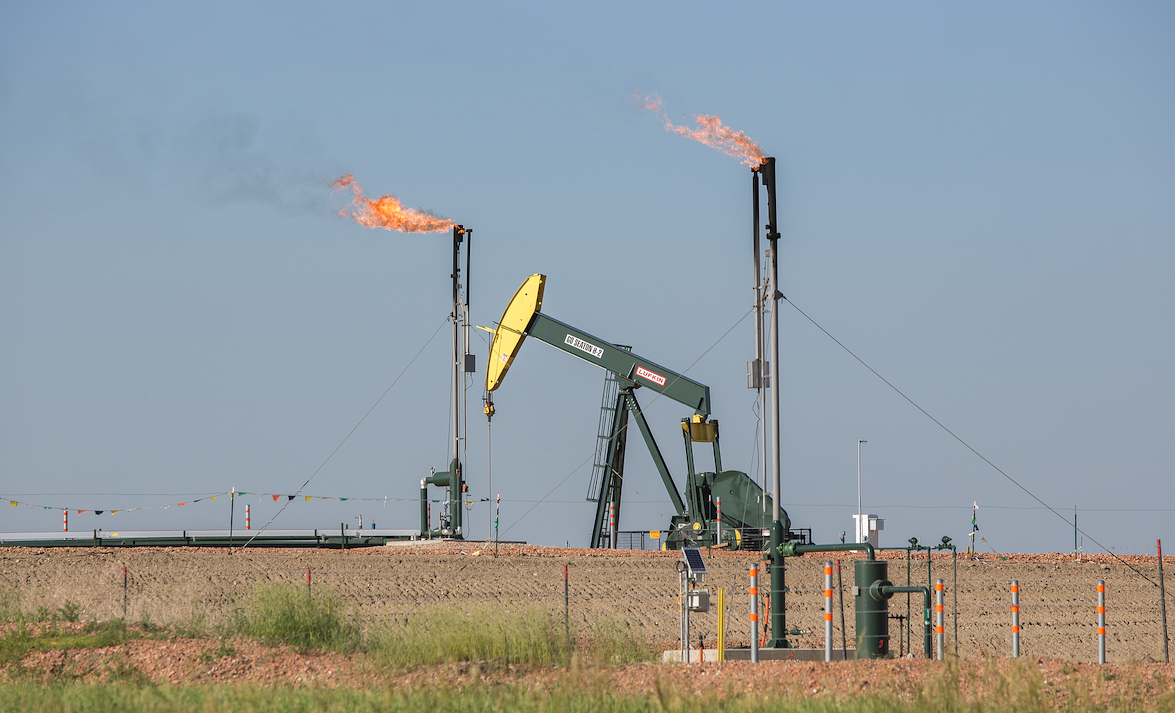
The Permian Basin is one of the world’s largest oil fields. As a byproduct of oil extraction, the region also produces natural gas in volumes that exceed the capacity of existing pipelines, often resulting in on-site flaring. This has led to low local natural gas prices, creating a competitive advantage for the construction of on-site power plants.
Mr. Gustafson stated that this is the most abundant natural gas basin in the United States and possibly globally. The power plant will bring demand to the basin, utilizing this natural gas rather than wasting it.
He also mentioned: “Many industry peers are discussing similar initiatives, but we are actually implementing this, which sets us apart.”
According to statistics, planned data center power projects in Texas total 33 gigawatts, the highest in the United States. However, the majority of these remain in early proposal stages. In terms of projects under construction, Virginia, a traditional data center hub, has a greater number.